Register for Events | Member Login

Contact Us Today | |

Central Palm Beach County Chamber of Commerce

  • Chamber Information
    • Management Team
    • Board of Directors
    • Chamber Trustees
    • Medical Board of Governors
    • Chamber Area
    • Economic Development
      • Top Business Sectors
  • Membership
    • Top 10 Reasons to Join
    • Online Application
    • Membership Access Pass
    • Compare Levels
    • Member Login
    • Member Resources
    • Member Directory
    • Member Benefits
  • Events
    • Holiday Parade
    • Chamber Events
    • Member Events
    • Annual Gala

Cervical Cancer Screening: Pap Smear Testing

Posted on July 31, 2019

What is cervical cancer screening?

Cervical cancer screening is primarily achieved by Pap smear testing with or without HPV (human papilloma virus) testing.  This simple test involves collecting cells from the cervix (which is the opening to the uterus at the top of the vagina).  The cells are examined to find changes that could lead to cervical cancer.  These changes are categorized into low grade or high grade squamous intraepithelial lesions which occur prior to actual cancerous cells.

Most cases of cervical cancer are caused by infection with HPV.  This virus is primarily spread through sexual contact.  The virus enters cells and causes precancerous changes which over time can lead to cancer.  Not all types of HPV cause cancer.  But, some types of HPV have been linked to cancer of the cervix, as well as cancer of the vulva, vagina, penis, anus, mouth and throat.  These types of HPV are known as “high-risk types”.

HPV is actually very common and most people who are sexually active will be exposed to HPV at some time in their life.  HPV infection usually does not have symptoms and most infections will go away without intervention.  However, in some women the infection does not clear and leads to high grade changes which are more likely to progress to cancer.

What does abnormal cervical cancer screening mean?

Most women will have an abnormal Pap smear at some point in their lifetime.  An abnormal screening test does not mean cancer, it does mean additional testing is needed.  This is sometimes as simple as repeat testing or more often undergoing a procedure called colposcopy with cervical biopsy.  The biopsy is performed to determine if high grade changes are occurring, in which case further treatment will be necessary.

Why is cervical cancer screening important?

Undergoing screening with a Pap smear can detect abnormal changes in cervical cells before they become cancer.  It is estimated to take 3-7 years for high grade changes in cervical cells to become cancerous.  Women with low grade changes are monitored with more frequent testing to assure the cells return to normal.  Women with high grade changes can undergo removal of the abnormal cells and therefore reduce their risk of developing cervical cancer.

When screening is performed depends on a woman’s age and health history:

1)  Women aged 21-29 years should have a Pap smear every 3 years

HPV testing is not recommended in this age group

2)  Women aged 30-65 years should have a Pap smear with an HPV test (also known as co-testing) every 5 years or Pap smear alone every 3 years

Newer guidelines also recommend no further Pap testing in women over 65 years if they have not had abnormal Pap smears previously and have had either 3 negative Pap smears in a row or 2 negative co-tests in a row within the past 10 years, with the most recent test in the past 5 year.  Also, women who have had a hysterectomy with removal of the cervix and no history of abnormal Pap smears no longer need to undergo Pap smears.

The Pap smear remains a very important test in women’s health.  In the past 30 years, the incidence of cervical cancer in the US has been reduced by 50% because of widely available screening with Pap smears.  Newer technologies such as HPV testing and vaccination continue to evolve and are already contributing to further reducing the number of new cases of cervical cancer.


Article provided by: Dr. Daxa Patel, Complete Healthcare for Women, a member of the Central Palm Beach County Medical Board of Governors. Click here to learn more about the Central Palm Beach County Medical Board of Governors.
Filed Under: Medical Board

Discussing the Link between ED and Heart Disease

Posted on May 30, 2019

It is common knowledge that hypertension can be a precursor to developing heart disease. What most people aren’t aware of is why ED can also lead to heart issues.

Since the arteries supplying blood to the penis are much smaller than the ones supplying the heart, this problem may first show up for men as ED. As the plaque buildup increases throughout the body, ED can be a warning sign of a potential heart attack or cardiovascular event.

The chances of a man having a heart attack doubles within five to seven years from the onset of ED if he was diagnosed in his 40s and 50s.

Mostly thought of as a condition that affects older men, erectile dysfunction is not that uncommon for men of any age. About one in 10 men ages 20 to 40 will be affected. For men 40 and older, the likelihood of ED jumps to four out 10 men. The likelihood of a man having erectile dysfunction increases at a steeper rate for those over 60.

An erection happens when the brain senses something sexually arousing and sends messages to control nerves, hormones, blood vessels and muscles that cause an erection.  ED happens when there is not enough blood flow to the penis or when muscles don’t work properly to trap and release blood into the penis.

Most men will have trouble getting an erection at some point in their life. In fact, more than half of men over the age of 40 have some degree of ED. Men who have diabetes, cardiovascular disease, or have gone through prostate cancer surgery are more likely to have issues with erections. If the problem continues or interferes with sexual activity on a regular basis, then it might be time to talk to a urologist who specializes in men’s sexual health.

Embarrassment, lack of knowledge and thinking it is part of the normal aging process are all reasons men don’t seek treatment for erectile dysfunction. Men can have the problem for years and not ever seek treatment.

Men are stubborn and they often don’t want to hear bad news.  Often, it is a man’s partner who points out the issue.

Other risks for developing ED include side effects from medications, such as those prescribed for high blood pressure, anxiety and depression, as well as the conditions themselves. Neurological issues, including spinal injuries, as well as surgeries or cancer treatment can cause ED.

Treatment options for ED range from medications (pills, injections, suppositories) to vacuum erection devices and penile implants.  A penile implant is designed to be a permanent solution to ED.  It is completely contained inside the body and allows couples to be spontaneous — which is difficult with other treatment options.  Men are able to maintain their erection as long as they want, and the implant does not typically interfere with orgasm or ejaculation.


Article provided by: Dr. Edward Becker, Urologist at Palm Beach Urology Associates, P.A., a Trustee Member of the Central Palm Beach County Chamber of Commerce, represented by Dr. Georgis Patsias, and a member of the Central Palm Beach County Medical Board of Governors, represented by Dr. Edward Becker. Click here to learn more about the Central Palm Beach County Medical Board of Governors.

Filed Under: Medical Board

It’s only the beginning: The Retailization of Healthcare

Posted on April 24, 2019

In short, the Retailization of Healthcare can be defined by providing consumers easy access to healthcare services.  Features that define this emerging and evolving delivery of healthcare are patient accessibility, convenient locations, low acuity, and lower cost setting environments.  Value-based care is here and it’s here to stay, so understanding how to navigate this shift will be vital in a reimbursement arena that’s forecasted to see inpatient volume growth by less than 3% over the next decade versus outpatient volume that’s estimated to grow by over 20%.  Within that outpatient volume, Truven Health Analytics forecasts that urgent-care services are expected to grow by 120%.  It’s evident the delivery of lower acuity healthcare needs are moving toward the direction of retail.

According to The Economist, private equity firms are pouring money into “urgent-care centers,” which are stand-alone emergency wards without the additional costs of a full hospital.  These commercial and private equity entrants have led some hospitals to open up urgent-care outposts of their own.  We’ve (Welltower Inc) seen this trend locally in Palm Beach County and expect it to grow.

There have been numerous studies that have shown when patients are given the option of utilizing a retail-like clinic versus going to a doctor’s office or acute care hospital, patients are migrating toward the retail-like clinics because of its lower cost and same-day availability.  The landscape of patient care is rapidly changing to a consumer-based system and it’s not likely to stop.  The Contemporary Clinic states, “this is due in large part to consumers becoming more knowledgeable about insurance packages by doing their own research through the internet.  There are several websites that compare and contrast plans to make it easy for one to decide which plan is best for one’s individual needs.  This kind of “shopping” is a key part of the “Retailization” of healthcare.

The fight for Market Share has quickly become a result of the retailization of healthcare and it’s been evidenced by industry consolidation with some of the largest healthcare organizations turning toward mergers in an attempt to defend their market share.  Most notable in October 2018, the U.S. Department of Justice gave preliminary approval for the $70B acquisition of insurer Aetna by retailer CVS.  CVS Health CEO Larry Merlo has begun disclosing new health programs and pilots to test new medical services to keep patients healthy and treat them for chronic conditions, such as heart disease and diabetes, inside the pharmacy chain’s more than 9,700 stores.  This is just the beginning and the future of the Retailization of Healthcare.


Article provided by: Gary Gagne, Director of Leasing, East Region of Welltower Inc., is a Trustee Member of the Central Palm Beach County Chamber of Commerce and a member of the Central Palm Beach County Medical Board of Governors. Click here to learn more about the Central Palm Beach County Medical Board of Governors.

Filed Under: Medical Board

Take Ownership of Your Health

Posted on March 20, 2019

Hopefully we can agree that nothing in life is more important than good health. Many of us do not think about our health unless we do not feel well. We take health for granted until we get sick or receive the news from our doctor that we have one or even multiple chronic diseases. Once we get that news, a lot of us are shocked and in denial. We say, “I work out, I eat healthy, and I don’t smoke. Why me?”

The answer to the question “why you” is because like almost all of us, we have not made health a priority. We ask a lot of our bodies on a daily basis. We do not get enough sleep, we are sedentary, we drink lots of caffeine, and we eat unhealthy food. Over time these stressors add up and eventually make us sick. The human body is truly amazing to endure this treatment for years and decades, but like any machine, eventually it will break down. We in the healthcare industry are seeing peoples’ bodies starting to break down younger and younger, even patients in their 30’s. Unfortunately, chronic disease is on the rise and is affecting all of us. In 2019, pretty much everyone knows at least one person who has had a heart attack, a stroke, or cancer.

If you want to thrive and stay out of the hospital, YOU have to take ownership of your health. You cannot rely on the government, your health insurance, your local hospital, or even your physician whom is limited on the time they can spend with you. You have to take the initiative to get educated on your own.  You have to do the research. When you see your doctor, you have to be prepared and ask the right questions. We have the greatest healthcare system in the world with the best doctors and nurses, but we aren’t getting the best outcomes.

In the hospital, patients that have had a major health scare or event are usually more open to changes in lifestyle. About six months ago, I visited a patient who had just had a major heart attack and had three stents put into his blood vessels. He was fortunate to be alive, in large thanks to getting him quickly to the hospital by emergency management, and the amazing expertise of our team of doctors and caregivers at the hospital. He was 48, worked out a lot and thought he was in great shape. With no family history he could not figure out why it happened to him. After we talked for a while we learned that we had a lot in common. Towards the end of the visit I asked him if he ate his fruits and vegetables? He said, of course! His 15 year old son sitting across the room said “no you don’t, you eat the occasional banana and some corn once in a while.” I suggested he focus on his diet, get educated, and take ownership of his health. I also said that he had to be ready and willing to make a change, but that he could do it. We parted ways and he was discharged the next day. About 5 months later I got a call from him. He called to thank me for motivating him to re-look at all the things he was doing to his body. He was a changed person. He had lost 20 pounds and got his blood pressure to a normal level. He said he adopted a whole food plant based diet. He stopped eating fast food and processed food, stopped drinking soda, had more energy, slept better, was a better employee at work, and a better husband and father. The point is when you focus on and prioritize your health, every part of your life can get better.

After being hospitalized for a life altering event, many patients are ready to do something different to get healthier. As a group, they know it is not fun to be in the hospital bed and they want to avoid coming back. They are usually willing to put in the time and work to change their lives. My recommendation to you is to take ownership of your health starting today.  Ask your physician for some websites to do some research on disease or nutrition. Buy a book. Go to a healthy life center and ask some questions. Go to some medical lectures. Get educated on food and how certain foods affect your body. Prioritize keeping your body moving and getting restful sleep. Don’t wait until you end up in the hospital to make a life change, because by then it could be too late.


Article provided by: Joshua DeTillio, CEO of Palms West Hospital, holds a seat on the Board of Directors of the Central Palm Beach County Chamber of Commerce and a member of the Central Palm Beach County Medical Board of Governors. Click here to learn more about the Central Palm Beach County Medical Board of Governors.

Filed Under: Medical Board

Choose Your Own Path, Just Get Moving!

Posted on January 30, 2019

America is in the middle of an inactivity crisis.  A sedentary lifestyle is as dangerous to your health as smoking and obesity.

According to the Centers for Disease Control (CDC) over 78% of the population 18+ does not get the recommended amount of aerobic and strengthening exercise per week.

Physical inactivity (sitting for 4 hours or more per day) is a risk factor for increased incidences of;

  • Anxiety
  • Cardiovascular disease
  • Migraines
  • Breast cancer
  • Colon cancer
  • Computer vision syndrome only for computers and tablets
  • Depression
  • Diabetes
  • Gout
  • High blood pressure
  • Lipid disorders (cholesterol)
  • Skin problems such as hair loss
  • Mortality in adults
  • Obesity
  • Osteoporosis
  • Scoliosis
  • Spinal disc herniation (Low back pain)

Unfortunately, many of these diseases come with their share of suffering.  Sounds Scary!!!  Have no Fear. There is a solution.

As little as 4 hours per week of appropriate exercise can reduce risk factors to that of a person who sits less than 4 hours per day.

According to the CDC;

“Regular physical activity is one of the most important things you can do for your health”. It can help:

  • Control your weight
  • Reduce your risk of cardiovascular disease
  • Reduce your risk for type 2 diabetes and metabolic syndrome
  • Reduce your risk of some cancers
  • Strengthen your bones and muscles
  • Improve your mental health and mood
  • Improve your ability to do daily activities and prevent falls, if you’re an older adult
  • Increase your chances of living longer”

In real world terms a regular exercise program will help you to move better, feel better and look better so that you can Love Your Life.

DON’T SUFFER NEEDLESSLY

While it is never pleasant to think about the end of your life, the cold hard fact is that none of us lives forever.  How the end of your life plays out is a complex interaction between your genetics and your environment.  While you can’t (yet) control your genetics, you can control how you live your life, which will have a tremendous impact on how your life plays out in the end.

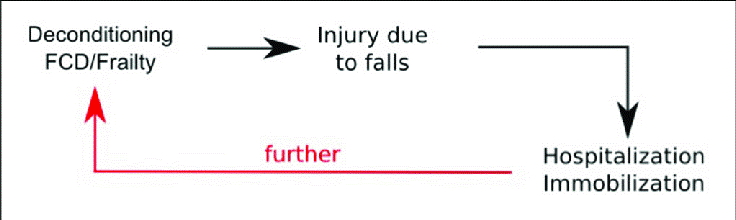
Physical activity is one of the primary lifestyle factors that can lead to successful aging.  Without a lifelong commitment to physical activity you will enter the “Cycle of Frailty” as you age;

The “Cycle of Frailty” ultimately begins with a lack of physical activity which leads to deconditioning and Functional and Cognitive Decline (FCD). Deconditioning leads to disease and or injury which leads to immobilization which leads to further deconditioning continuing the cycle.

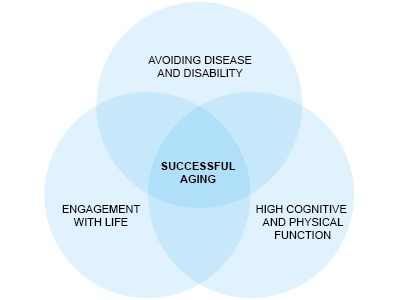
SUCCESSFUL AGING

There are 3 main active components to successful aging that all interact with each other.

  1. Minimizing probability of disease and disease-related disability
  2. Maximize cognitive and physical functional capacity
  3. Actively engaging with life

Participation in a medically and scientifically based exercise program will lead to improved physical function which is highly correlated with improved cognitive function.  This in turn decreases risk factors for disease and disability and together increases your ability to engage in life.

Stories of Aging

The Successful Ager

Emily is an 80-year-old female who has participated in a consistent scientifically based exercise program under the guidance of trained professionals following the latest research and guidelines.

She participates in 3 fitness classes per week where she has made several new friends and looks forward to swapping stories about life and family as much as she enjoys her workouts.

Emily is actively engaged in social activities with her friends and travels regularly to see her family.

This past holiday she went to Disney World with her entire family and rode Space Mountain for the first time ever!

Emily spends little money each year on healthcare costs aside from her regular checkups and takes few to no medications.


He Tried

Bob is 65 years old.  As a former college athlete, he always thought of himself as fit and healthy.  After an annual check-up he was faced with his actual reality.  He was overweight, had high blood pressure and was borderline diabetic.  His doctor told him that he needed to increase his physical activity but gave him no instruction or direction on how to start or where to go.

Bob decided to join a big box gym and was set up for an initial introduction with a “personal trainer”.  With little to no baseline health screening and testing, Bob was started on a generic exercise program and then turned loose by his trainer.

Bob went for two weeks thinking of himself as the college athlete that he once was.  While performing inappropriate strengthening exercises and attempting to lift weights that were too heavy, Bob tore his rotator cuff.  9 months and 2 surgeries later Bob has yet to resume an exercise program.  He’s still overweight, is dependent on blood pressure medicine and has had to begin medicine to control his blood sugar.  He takes a myriad of other medications.

Bob had to spend a significant portion of his retirement income on his co-insurance and deductible for surgery and now has ongoing monthly expenses for prescriptions and doctors’ visits.


She Didn’t

Doris was 80 years old this year.  She never participated in any form of exercise. After 10 years of struggling with multiple health issues she passed away.  At the age of 76, she was no longer able to live on her own and had to enter a nursing home.   At that point, life as Doris knew it would no longer be the same.

Because she did not feel well and wasn’t healthy enough to travel she missed the most important moments of her families’ lives.  Birthdays, holidays, graduations and family gatherings were all celebrated without her.

Financially, Doris’s declining health was devastating.  After a lifetime of working and saving every penny, Doris’s entire life savings plus went to the nursing home.  On Medicaid (and sharing a room), she no longer had the financial ability to even send her great grandchildren birthday presents.

It’s Never Too Late

Emily got it right!  Bob and Doris struggled and suffered.  The choices we make today have an enormous impact on our ability to enjoy life tomorrow.

Numerous studies have shown that beginning an exercise program that includes both aerobic exercise and strength training can improve physical and cognitive function REGARDLESS OF AGE.

Don’t be Bob or Doris.  While nothing in life is guaranteed you owe it to yourself and to your family to do everything possible to age successfully and to Love Your Life.


Article written by: Bruce White, MPT, Managing Partner of Fitness for FYZICAL Therapy and Balance Centers of Palm Beach and a member of the Central Palm Beach County Medical Board of Governors. Click here to learn more about the Central Palm Beach County Medical Board of Governors.
Bruce is a Physical Therapist with a lifelong passion to help others through medically and scientifically based exercise programs. He is a partner and director of fitness for FYZICAL Therapy and Balance Centers of Palm Beach and can be reached at bwhite@fyzicalpbc.com. 

Filed Under: Medical Board

How Different Hormones Affect Your Body

Posted on December 18, 2018

How Different Hormones Affect Your Body

Hormones play a variety of roles in the body, but their primary function is as chemical messengers that control bodily functions. Some hormone-producing glands are more complex than others; and while men and women share many of the same hormones, there are some that are gender-specific.

Hormone-Producing Systems

Certain glands in the body are responsible for dispatching hormones, and these message-sending glands are part of the endocrine system. Different glands dispatch different chemical messages, all of which are integral to a healthy body.

A healthy endocrine system is optimal for the body’s good health. If the endocrine system is unhealthy, it will have a negative effect on how the body develops and works. For example, faulty chemical signals sent during puberty will affect development.

Primary Glands that Produce Hormones

Pituitary

The pituitary gland creates growth hormones and controls aspects of other hormones produced by other glands. It’s a key gland in the endocrine system in its regulation of metabolism, blood pressure, milk production, and various reproductive functions.

Thymus

The thymus produces the thymosin hormone, which stimulates the development of T-cells when a person is young – before puberty. The thymus transforms white blood cells into these immune-enforcing T-cells. After puberty, the thymus basically becomes a lump of fatty tissue. However, these T-cells continue to support your body’s immune function throughout your lifetime.

Ovaries

Ovaries are gender-specific and secrete female sex hormones into a woman’s body: estrogen and progesterone. The hormones secreted by the ovaries assist in the proper development of the female body and help foster fertility.

Testes

Testes are gender-specific to men and produce the hormone testosterone. Testosterone helps foster male development in growing boys, and it contributes to healthy libido, strong muscles, and dense bones.

Hypothalamus

The hypothalamus is critical in maintaining the stability of all functions throughout the body – this stability is called homeostasis. It is the link between the endocrine system and the central nervous system. The hypothalamus is also responsible for balancing the hormones from other glands, and it regulates functions including body temperature, sleep, heart rate, blood pressure, and hunger, thirst.

Thyroid

The thyroid gland, located in the neck, is often associated with weight loss and weight gain because it determines your metabolism. The secretion of the thyroid hormone regulates a person’s metabolic rate. The thyroid gland is controlled by the pituitary gland and the hypothalamus.

Parathyroid

The parathyroid is located around the thyroid as four little rice-size glands. The primary function of the parathyroid hormone is to regulate the body’s calcium levels.

Pineal

The pineal gland secretes the hormone melatonin from its location in the center of the brain. Melatonin helps to regulate sleep patterns, maintain a person’s circadian rhythm, and regulate hormones involving reproduction.

Adrenal

The adrenal gland produces the hormones cortisol, aldosterone, and adrenaline. The adrenal gland is a set of two organs that are located above each of the kidneys. This gland is responsible for producing hormones that assist with regulating blood sugar, blood pressure, and metabolism. They also help react to stress brought on by illness, injury, or pressure via adrenaline.

Pancreas

The pancreas regulates blood sugar (glucose) and salt by releasing the hormone insulin. An imbalance of blood sugar can result in diabetes and other health issues. The pancreas is part of both the endocrine and the digestive systems, but primarily digestive. This gland is located just above the stomach in the upper left quadrant of the abdomen.

Who Can Help With My Hormonal Imbalance Issues?

It is essential that your glands perform correctly, or your health will be negatively affected. If your body is showing signs that a gland is not working properly – such as if you’ve gained weight or lost weight, or your blood pressure is too low or too high, etc., discuss your concerns with a caring professional.

Following a diagnosis, a plan will be put in place to address the symptoms you’ve been experiencing, and we can help you get on the road to recovery so you can enjoy life again. We look forward to hearing from you.


Article written by: Dr. Ishan Gunawardane, Chief of Department of Medicine for Wellington Regional Medical Center and a member of the Central Palm Beach County Medical Board of Governors. Click here to learn more about the Central Palm Beach County Medical Board of Governors.
You can contact him at the Advanced Medical Clinic today at (561) 434-1935 or fill out our simple online appointment request form. If you’d like more posts like these, visit wellingtonadvancedmed.com.

Filed Under: Medical Board

Peripheral Arterial Disease (PAD)

Posted on November 2, 2018

Does leg pain make you stop when walking? Arterial disease may be the cause of your leg pain and in severe cases may even lead to an amputation. Peripheral artery disease (PAD) is a term used to describe disease of the arteries outside of the heart. These are the key facts about peripheral arterial disease (PAD) you need to know.

The most common cause of peripheral arterial disease (PAD) is atherosclerosis, which is a progressive buildup of plaque inside the arteries. As the disease progresses, the arteries start getting narrowed and can ultimately become blocked, leading to a decrease in oxygen and nutrients to the tissues.

There are many risk factors associated with PAD, some of which may be modified and some of which may not. The two most common risk factors are diabetes and tobacco use. Other important risk factors include age (especially after age of 50), high blood pressure, high cholesterol, coronary artery disease, male gender, physical inactivity and obesity.

At least 12 million Americans are affected by PAD and roughly 50% of these cases are asymptomatic. However, moderate to severe disease may lead to lifestyle limiting symptoms and even amputations. The most common symptom associated with PAD is known as intermittent claudication and consists of muscle cramping associated with activity (usually after walking a specific distance). Typically this pain is reproducible and relieved by rest. Intermittent claudication may occur in one or both legs and its severity varies depending on the degree of arterial narrowing or blockage. Although not specific to PAD, other signs and symptoms include decreased foot temperature, shiny brittle skin of the legs or feet, leg hair loss, thickened toenails, bluish discoloration of the legs or feet, and weak pulses.

Severe cases of PAD may lead to critical limb ischemia, which is characterized by chronic pain, non-healing leg or foot wounds/ulcers or gangrene. These are the patients with the highest risk for an amputation. Fortunately, if treated promptly by an interdisciplinary care team, such as the one in Wellington Regional Medical Center, up to 85% of amputations can be prevented!

Signs and symptoms of PAD may mimic other diseases. An adequate diagnosis is key and starts with a complete medical history and physical exam. This is followed with more advanced non-invasive diagnostic studies among which the most common are ankle-brachial index (compares blood pressure in the arm and leg). Pulse volume recordings and segmental pressures, Doppler ultrasound, and CT scan or MRI of the blood vessels (also known as CTA and MRA). An angiogram involves inserting a small catheter into the blood vessels under real-time x-ray and injecting dye. This study is minimally invasive and is usually reserved for those cases in which treatment will be performed simultaneously.

Identifying the disease early and knowing the treatment options lead to better outcomes! It is important to understand that most of the patients with peripheral arterial disease (PAD) will never progress into severe disease. In addition, being diagnosed with PAD does not mean you will require a vascular intervention. Treatment options are tailored to the degree of disease a patient has and how symptomatic the patient is. Making lifestyle changes including smoking cessation, keeping a healthy diet, and doing exercise are all key not only for PAD treatment but for the treatment of many other diseases.

Blood pressure, blood sugar and cholesterol control is very important and usually involves taking medication. This is why visiting your health care provider routinely is very important.

Vascular interventions are usually reserved for patients with moderate to severe PAD with lifestyle limiting symptoms (such as short distance claudication) and for those with critical limb ischemia (rest pain, non-healing ulcers, gangrene) who are at a very high risk for amputation. Vascular interventions include endovascular procedures as well as open surgery.

Endovascular procedures are minimally invasive, usually performed under mild to moderate sedation and patients go home the same day. These types of procedures are basically painless and involve placing a catheter inside the arteries of the legs. Through this catheter, different devices and techniques are used in order to fixed the arterial narrowing’s and unclogging them when necessarily.

At Wellington Regional Medical Center (WRMC), we have an interdisciplinary care team for PAD. This team of professionals is represented by different specialties to evaluate and manage patients with PAD. In cases of severe disease, such as critical limb ischemia, our goal is limb salvage with amputation prevention. WRMC has a group of professionals with a vast experience in advanced endovascular revascularization, foot surgery, surgical revascularization, wound heal therapies (including hyperbaric chamber treatment) and medical evaluation and care.


For more information or to schedule a complimentary screening visit, please call our outpatient scheduling service at (561) 877-3920.

Juan Gomez, MD
Endovascular Specialist
Neurointerventional Radiology
Director, Vascular and Interventional Radiology
Wellington Regional Medical Center
Diplomate, American Board of Radiology


Filed Under: Medical Board

Breast Care and Risk Factors

Posted on October 2, 2018

In the United States, approximately 225,000 people are diagnosed with breast cancer each year.  Approximately 1% of those are men.  Annual screening mammogram of women starting at age 40 has resulted in decreasing the number of deaths caused by breast cancer but it has not resulted in a decrease in the number of women who will be diagnosed with the disease.  The average Lifetime Risk of Breast Cancer for a woman in the United States is 1 in 8.  While complete prevention of breast cancer is not yet possible, we can reduce our risk of breast cancer by modifying certain risk factors.  There are both modifiable and non modifiable risk factors.

NON MODIFIABLE BREAST CANCER RISK FACTORS

  • ADVANCING AGE–As you get older, your risk of breast cancer increases.  No matter how hard you try, you cannot turn back time.
  • FAMILY HISTORY OF BREAST OR OVARIAN CANCER—Most women diagnosed with breast cancer each year DO NOT have a family history of breast cancer (96%).  Only 2-4% of women diagnosed annually have a family history of breast or ovarian cancer.  First degree family members and those who have premenopausal breast cancer are more indicative of risk.
  • BRCA 1 OR 2 MUTATION–The incidence of BRCA 1 or 2 gene mutation in the general population is 0.2 %.  It is ten times higher in high-risk families and five times higher in women with ovarian cancer.  Six percent of women with breast cancer before the age of 40 will have a mutation.
  • EASTERN EUROPEAN JEWISH ANCESTORY (ASHKENAZI)—The incidence of BRCA 1 or 2 mutations is 2.5% in general in this population.  Of AJ women with breast cancer before the age 40, thirty percent will have a gene mutation.
  • AGE OF ONSET OF MENSES—An early onset of getting your first full period and a late onset of your last period confer an increased risk of breast cancer because of the duration that your body was producing estrogen.
  • LATE FIRST PREGNANCY OR NO PREGNANCY—First full term pregnancy after the age of 26 or never having a full term pregnancy confers an increased risk of breast cancer.  This may be a modifiable risk factor in some women.

MODIFIABLE BREAST CANCER RISK FACTORS

  • WEIGHT—Adults that gain weight as they age have an increased risk of cancers, especially breast cancer.  The excess fat increases the amount of circulating estrogen.  Losing weight is associated with a decrease of that elevated risk of breast cancer.
  • ACTIVITY/EXERCISE—Increased physical activity is associated with decreasing risk of breast cancer.  This effect seems to be greater in post menopausal women than premenopausal women.
  • DIET/NUTRITION—A low fat diet has been associated with a lower risk of breast cancer.  Although it seems intuitive that a diet rich in legumes, whole grains and fresh fruits and vegetables, would be good for your risk of breast cancer, studies have shown a trend but no clear statistical improvement in the rate of cancer.  This is most likely due to the high variability of each person’s diet items, daily consumption volume, and effects of individual metabolism, activity/exercise, and other medical issues.  No specific foods have been identified as significantly influencing breast cancer risk.
  • ALCOHOL CONSUMPTION—As little as one drink a day can increase a post menopausal woman’s relative risk of breast cancer 10%.
  • HRT USE—Use of hormone replacement therapy after menopause is associated with an increased risk of breast cancer that begins to rise after 5-7 years of use.  Risk will return to normal for age 5-7 years after cessation.

Modifying your risk factors can have a positive effect on decreasing your risk of breast cancer, but this requires life style changes.  Gradual, steady weight loss by increasing your activity and making smarter dietary choices is a good start.  Weight lost more slowly by making purposeful permanent changes to your diet, tends to be weight that you can keep off.  Weight lost by sudden crash diets or radical exercise programs tends to be weight regained.  Starting a diet for the purpose of weight loss can be imposing and depressing. (I speak from experience, lots of experience).  It can mean cleaning out the pantry, buying new and unfamiliar foods and radically changing the way you eat.  Most of us won’t stick with that, especially when the inevitable plateau occurs.  Instead start by making one change to your diet that will be to your benefit such as cutting back on the fat or eating more servings of fresh vegetables.  After you master that and make it part of your life, you can move on and add another new idea that will benefit you.  But these choices need to be a permanent part of your life as you go forward.

Increasing how active we are is another life style change.  While parking farther away from the grocery store and taking the stairs more are both good things for your body, the type of activity that is going to be beneficial for reducing your risk of breast cancer is sustained activity for the purpose of exercise.  The World Health Organization and CDC both recommend that to maximize positive effect and decrease the negative effects of exercise that people target 4000-6000 METs (metabolic exercise equivalent units) per week.  This equates to 75 minutes of running or 150 minutes of walking a week.  This is equal to twenty one minutes of walking a day.  Surprisingly, walking as little as 30 minutes a day in a sustained continuous time frame has been shown to reduce the incidence of dementia.

Limiting alcohol intake is another lifestyle change.  In order to have a positive effect, this too must be maintained over the long term.  This certainly doesn’t mean you can’t toast the bride or celebrate your wedding anniversary with a cocktail or glass of wine or beer.  It does imply that alcohol intake is not a regular or daily thing.

Filed Under: Medical Board

PBSO ConnectProtect and Student Protect App

Posted on September 14, 2018

PBSO ConnectProtect


The new, Official Palm Beach County Sheriff’s Office app uses ConnectProtect technology to provide two-way communications between the Palm Beach County Sheriff’s Office and the people of Palm Beach County.

The PBSO app is part of a revolution in communications between law enforcement and the people they serve. Through the app, PBSO can be in contact with the residents of Palm Beach County with information based on exactly where you are at the time. Information that is relevant to your neighborhood – even the street where you live – can be instantly sent to you.

But it’s not a one-way communications tool: ConnectProtect technology gives Palm Beach County residents an unsurpassed ability to communicate directly to the Palm Beach County Sheriff’s Office.

After a crime or act of terrorism, all too often someone say that they saw something beforehand, but didn’t say something when they saw it. ConnectProtect technology enables residents of Palm Beach County to instantly let PBSO know when there is suspicious activity that they think needs attention, making Palm Beach County residents a vital part in the fight against crime and terrorism.

Download and use the PBSO app regularly for instant information and two-way communications with the Palm Beach County Sheriff’s Office; and, help make Palm Beach County a better, safer place to live, work and enjoy.


Student Protect


Student Protect is a brilliant technology that helps protect students, faculty and staff. Student Protect is also useful for receiving personalized notifications from your schools.

Student Protect empowers students, parents, staff, and school communities to instantly alert law enforcement about threats to students and schools and transmit their exact GPS location, a description of the event, photos and videos, and even contact information if you want to receive follow-up from your local agency.

With one simple Alert Button, students, faculty and administration can instantly call law enforcement and simultaneously provide them with the user’s exact GPS coordinates of the threat or event.

Use Student Protect now and keep your school and community safe.

Filed Under: Medical Board

National Nurses Week

Posted on May 9, 2018

This year as we celebrate National Nurses Week, May 6 – May 12, let’s remember this year’s theme – “Nurses inspire, innovate and influence.”

Inspire.  Each and everyday, as nurses care for and attend to the needs of their patients, they motivate, reassure, invigorate and galvanize .  They manage patients who have sometimes lost hope, who are often lonely in their illness and many times, eventually, who are ready to transition from the other side of life.  Nurses help the healing of the mind, body and soul.  Not only for their patients, but they also get involved with their caregivers.  Nurses do indeed inspire.  It is part of who they are.

Innovate.  The Mirriam-Webster Dictionary’s definition of innovate means to effect a change in.   As the American Nurses Association has noted in their recognition of nurses this year, this profession, more than any other, professionally transitions from the bedside to the boardroom.  In order to successfully innovate, familiarity with the subject matter is key.  With the wide range of opportunities, innovation comes from a workforce of over three million, who can and will continue to affect change.

Influence.  In so many ways, influencing others is why we co-exist with one another.  Nurses succeed in influencing decisions about overall healthcare, from driving quality outcomes to dedicating resources to specific areas of focus in order to realize change.  They influence new nurses coming into the profession each and every day.  They are  political activists and patient advocates.  They are moms, dads, sisters and brothers, granddaughters and grandsons.  They influence because they often put themselves in the patient’s place.

My mom is a nurse.  Though she is retired now, as a nurse for over 50 years, I saw her dedication to her patients first hand.  She will always be a nurse.  When I think about this year’s theme, she has definitely inspired, innovated and most importantly, influenced my decision to move into the healthcare profession.  In her retirement, she still practices her profession to some degree.  It never goes away. Nursing isn’t a job to pay the bills.  That can and never should be the primary reason someone dedicates themselves to this profession. I always say, nursing is the one profession that comes from the heart.  They are born a nurse.  It is who they are meant to be.  Hug a nurse this week.  Tell them thank you!

Happy Nurses Week!


Lorna Kernizan is the COO of Palms West Hospital. Palms West Hospital has provided healthcare excellence since 1986. Located on a spacious 94-acre campus, their 204-bed facility offers top-quality care for a full complement of healthcare services. Palms West has established a position of medical leadership by listening to the needs of people in their community and responding with compassionate, quality health care and innovative new services that meet those needs.

Filed Under: Medical Board

  • 1
  • 2
  • Next Page »

© 2026 · Central Palm Beach County Chamber of Commerce · 561-790-6200
12794 W. Forest Hill Blvd. | Suite 19 | Wellington, FL 33414